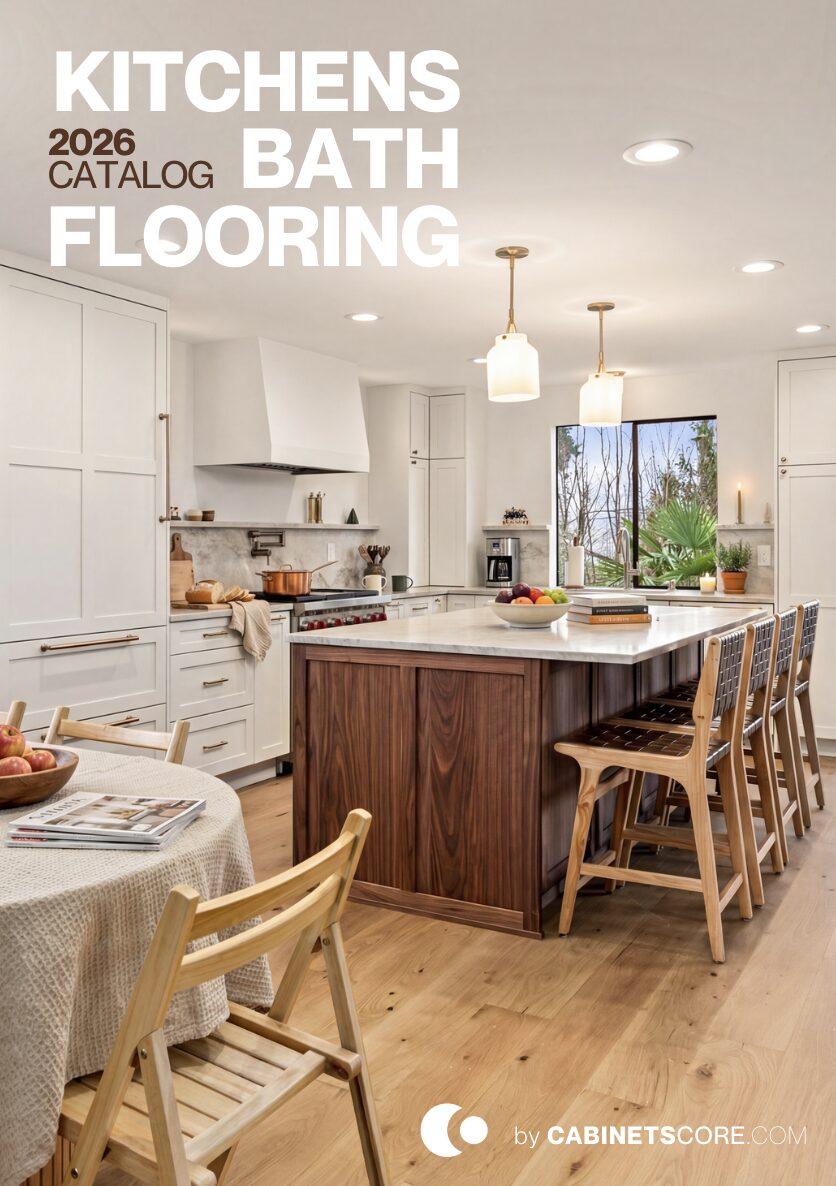
Seattle Kitchen Renovation in Warm Oak & Matte Quartz
Modern Cabinetry, Bright Countertops & Practical Layout
This Seattle oak kitchen renovation was designed for homeowners who wanted a bright, open space that feels modern without losing warmth. The goal was clear: a kitchen that works beautifully for daily life, takes advantage of natural light, and uses materials that will still look right ten years from now — refined, durable, and free of trend-driven choices they’d regret later.
For Seattle homeowners researching kitchen renovation options, this project is a strong example of what thoughtful planning and considered material selection can deliver in a contemporary urban home.
The Case for Oak Over Painted White
White cabinets were the homeowners’ first instinct. Most of our Seattle clients start there. We talked them out of it for two reasons specific to this kitchen.
First, the room already had a lot of cool light coming through the north-facing windows. All-white cabinetry would have pushed the space toward clinical — bright, but cold. Oak warms that light instead of competing with it.
Second, this is a working kitchen. Two adults, frequent cooking, no kids-but-yes-a-dog. Painted white cabinetry shows every scuff and fingerprint within the first year. The open grain on natural oak hides that kind of wear almost completely. It’s the unglamorous reason oak keeps showing up in our installs.
Matte Quartz, Not Polished — Here’s Why
The countertop choice took longer than the cabinets. The homeowners initially wanted polished quartz. We pushed for matte.
Polished surfaces under Seattle’s overcast light bounce reflections in a way that flattens the room visually — and they show every water spot. Matte quartz absorbs light instead of throwing it back, which is what lets the oak grain and the white drawer fronts read clearly. It also hides streaks between cleanings, which matters more day-to-day than most people realize before they live with it.
What we kept simple on purpose:
- Cabinetry: Natural oak uppers, soft white lower drawers — the contrast keeps the room from feeling top-heavy
- Countertops: Matte quartz, white with subtle movement — no veining drama
- Hardware: Matte black pulls, slim profile — the only “design” choice in the room
- Backsplash: None added. The existing wall finish worked, so we left it alone
That last point matters. Not every surface in a renovation needs to change. Pretending otherwise is how scope creeps and budgets break.
What We Didn’t Change
The layout stayed exactly the same. Same sink location, same range location, same island footprint. This is worth saying clearly because a lot of “kitchen remodel” content online implies that moving things around is part of the deal. It doesn’t have to be.
In this kitchen, the original layout already worked. Plumbing and gas lines were where they needed to be. Moving any of it would have added weeks and five figures to the project for no functional gain. Recognizing that — and being willing to say it out loud to the client — is part of the job.
What This Kind of Renovation Actually Gets You
A finish-level renovation like this one isn’t a full transformation. The room is the same size and shape it was before. What changes is everything you touch and everything you look at: the surfaces, the cabinetry, the hardware, the lighting if it’s outdated.
For the right project, that’s enough. The homeowners here have a kitchen that looks deliberate, feels warmer, and will hold up to ten years of cooking without looking tired. The cost was a fraction of what a full structural remodel would have been. If your kitchen’s layout already works and you mostly just want it to stop looking dated, this is the kind of project to ask about.
If you’re in the Seattle area and weighing options, Cabinets Core and Masterpeace Construction & Remodeling can walk you through what’s worth doing and what isn’t. The honest conversation usually saves people money.