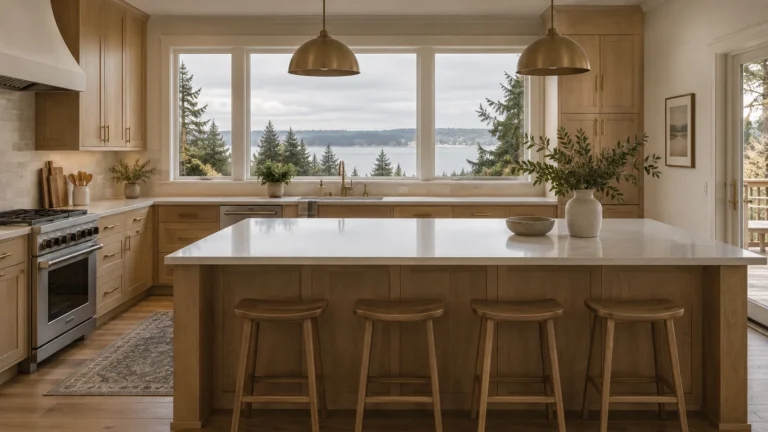


Ask five homeowners what separates a renovation from a remodel, and you’ll likely get five different answers. Even in the construction industry, the terms get tossed around as if they mean the same thing. They don’t. And the difference shows up in some very real places – your budget, your permit applications, your project timeline, and ultimately, the resale value of your home.
If you’re weighing a kitchen refresh against a full tear-out, or wondering whether your bathroom project actually needs permits, this guide breaks down exactly what each term means, what each one costs, and how to figure out which path fits your home and your wallet.
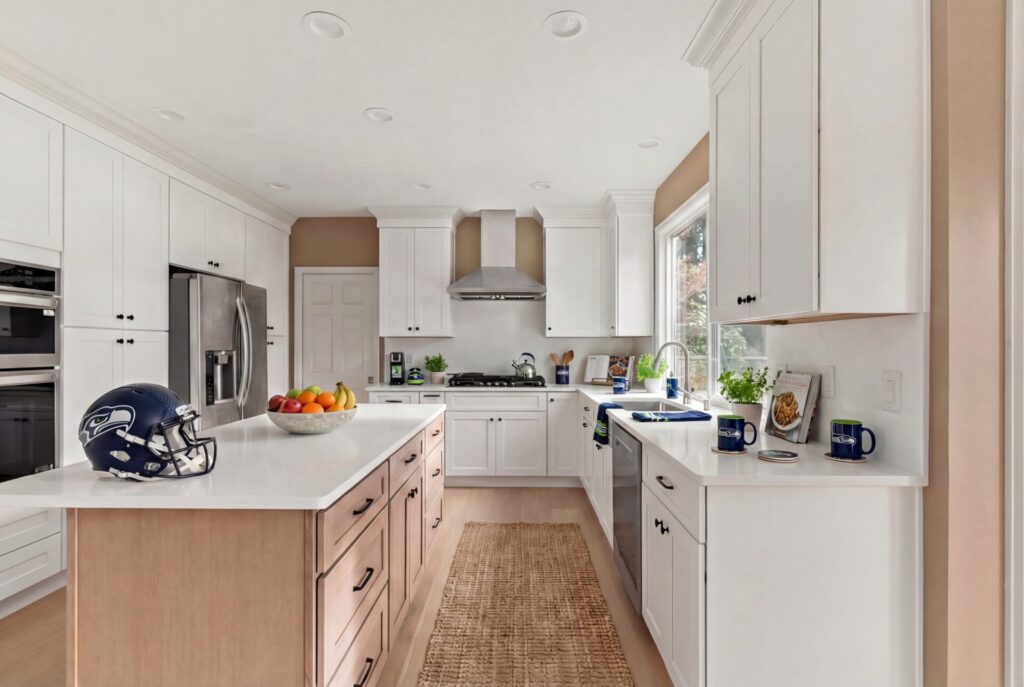
The Short Answer
A renovation restores, refreshes, or updates a space without changing its footprint or function. Think new paint, new cabinet hardware, refinished floors – same room, same layout, better-looking.
A remodel transforms the space itself. Walls move (or disappear). Plumbing gets rerouted. A half-bath becomes a laundry room. The structure or purpose of the room is fundamentally different when the dust settles.
The distinction matters because remodels involve structural work, specialized trades, and almost always require permits. Renovations usually don’t. That single difference cascades into everything – cost, schedule, complexity, and risk.
What Counts as a Renovation?
Renovations live on the surface. The bones of the room stay exactly where they are. You’re improving what already exists rather than rethinking it.
A kitchen renovation might include new countertops, fresh paint, upgraded cabinet doors, and a stylish new backsplash – but the sink stays where the sink has always been, the fridge fits in the same nook, and no walls come down. The goal is to modernize the look, extend the life of the space, and improve daily function through smarter storage or better finishes.
Common renovation projects include:
- Repainting walls, ceilings, or trim
- Refinishing hardwood floors or replacing carpet
- Swapping cabinet doors, drawer fronts, and hardware while keeping the cabinet boxes in place
- Installing new countertops on existing cabinetry
- Replacing light fixtures, faucets, and plumbing fixtures
- Upgrading to energy-efficient windows in existing openings
- Adding cabinet organizers, pull-outs, and storage accessories
- Re-tiling a backsplash or shower surround
Renovations are the go-to choice when the layout works but the finishes are tired. They deliver strong visual impact for relatively modest investment, and they’re often the smartest move if you’re prepping a home to sell within the next year or two.
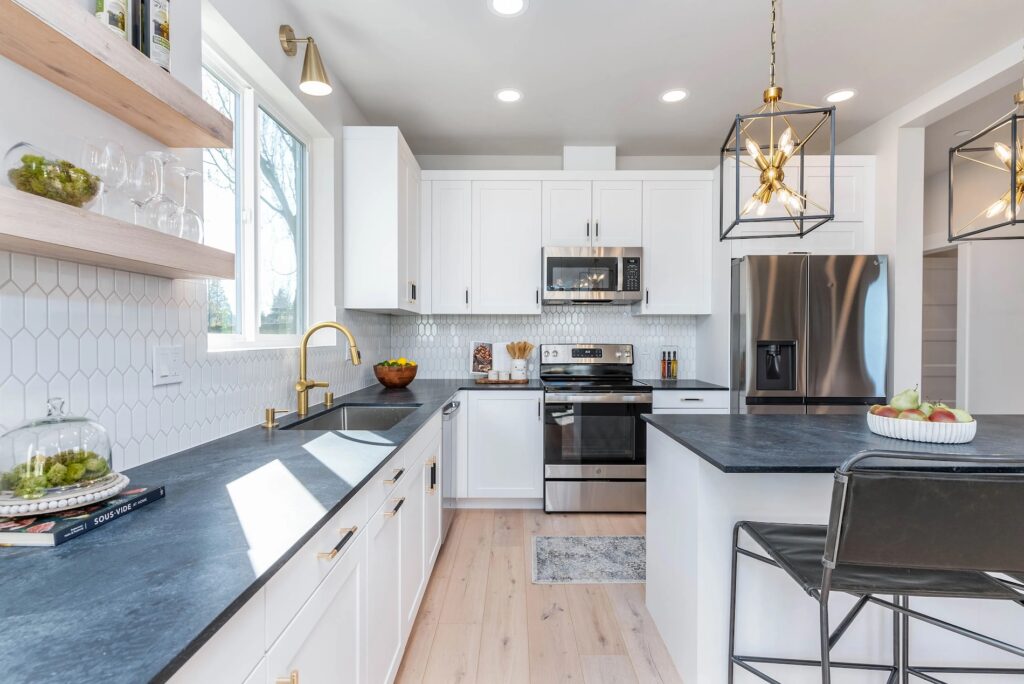
What Counts as a Remodel?
A remodel reimagines the space. You’re not just freshening it up – you’re changing how it functions, how it flows, or how big it is.
This is where walls come down to open a kitchen into the dining room. It’s where a cramped primary bathroom gets reconfigured to fit a double vanity and a curbless shower. It’s where an unfinished basement becomes a guest suite with a legal egress window. Because remodels alter structure, plumbing lines, electrical circuits, or HVAC runs, they require licensed trades, engineered drawings, and inspections.
Common remodeling projects include:
- Removing walls to create an open-concept living and kitchen area
- Converting a tub alcove into a walk-in shower with relocated plumbing
- Expanding a kitchen by absorbing an adjacent dining room or closet
- Adding a kitchen island with electrical outlets and a prep sink
- Finishing a basement with framed walls, flooring, and a new bathroom
- Vaulting a ceiling or adding skylights and structural support
- Building an addition or bumping out an exterior wall
- Reconfiguring a laundry room, pantry, or mudroom from scratch
Remodels take longer, cost more, and demand more coordination — but they solve problems renovations simply can’t. If your kitchen is chopped up by an awkward wall or your bathroom layout hasn’t made sense since 1987, no amount of new paint will fix it.
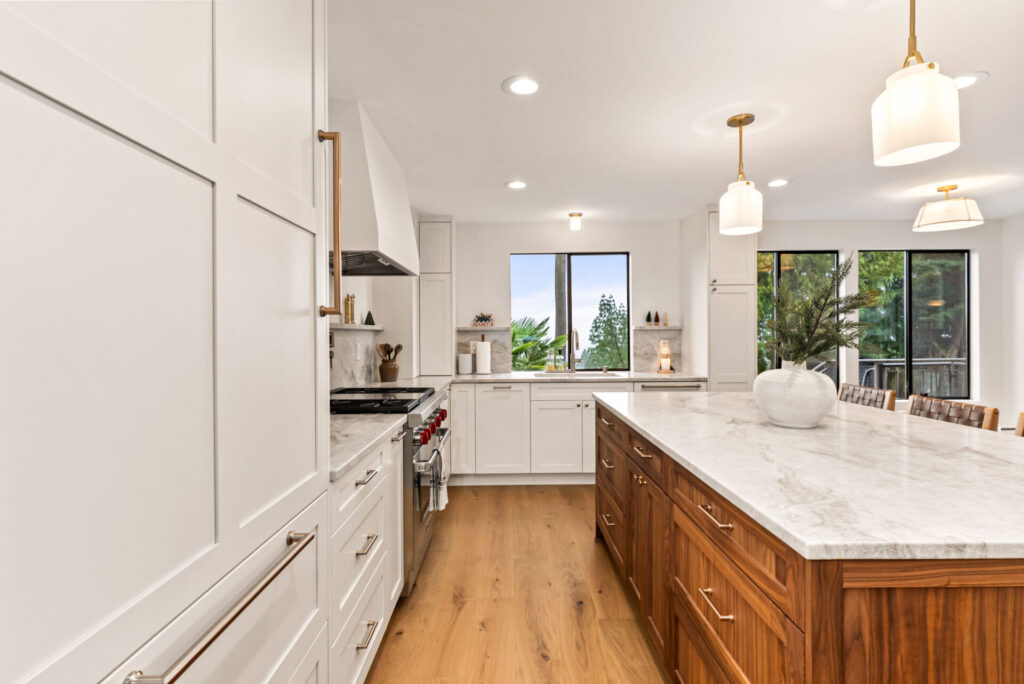
Renovation vs. Remodel Cost: What You’ll Actually Pay
Costs vary significantly based on your region, material choices, and project scope, but the rough benchmarks look like this:
Renovations typically run $15 to $60 per square foot. A full-room renovation usually lands somewhere between $20,000 and $75,000, depending on material grade and how much of the work you tackle yourself. Painting, hardware swaps, and light fixtures are DIY-friendly. Cabinet refacing, flooring, and countertop installation usually aren’t – but they still cost a fraction of what structural work demands.
Remodels typically run $100 to $150 per square foot, with high-end projects exceeding $250 per square foot. Whole-room remodels generally fall between $40,000 and $150,000, and full kitchen or primary-bath remodels with custom cabinetry can run considerably more. Surprises — water damage behind a wall, undersized electrical panels, outdated plumbing that fails code — are the norm, not the exception. Smart homeowners build a 15–20% contingency into the budget from day one.
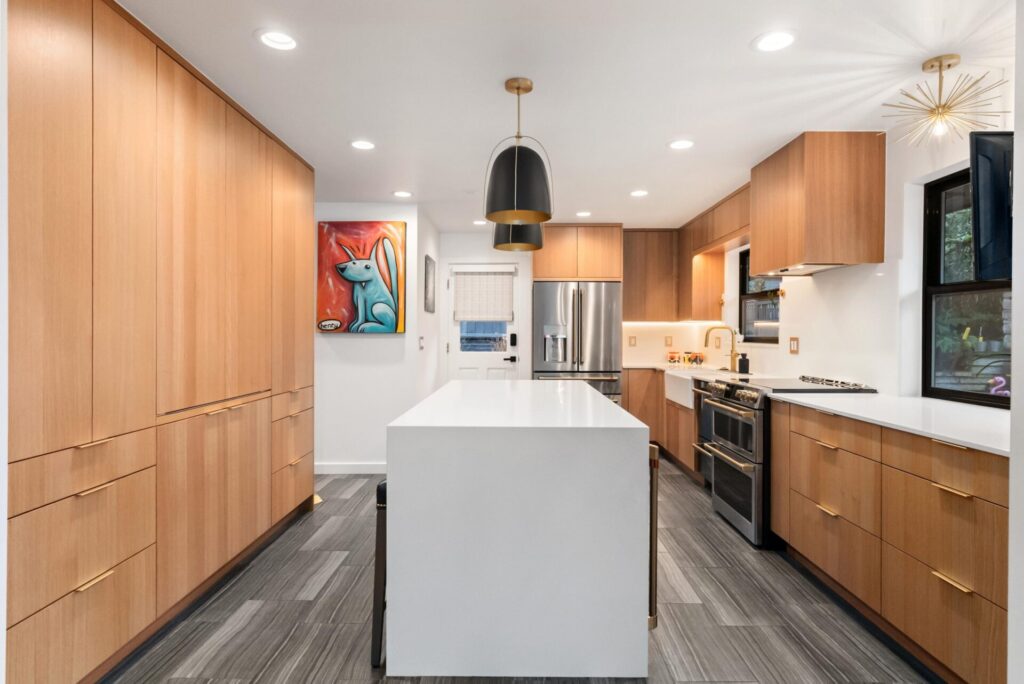
The takeaway: renovations are usually 50 to 75% cheaper than comparable remodels. That’s not a small gap. If your layout already works, renovating gets you 80% of the visual impact at a fraction of the investment.
Do You Need a Permit?
This is where a lot of homeowners get tripped up – and where unpermitted work comes back to haunt you at resale.
Renovations generally skip permits when the work is cosmetic: paint, flooring, cabinet refacing, fixture replacements, and similar surface updates. That said, some municipalities require permits for new windows, re-roofing, siding replacement, or any work involving gas appliances. Always check with your local building department before assuming you’re in the clear.
Remodels almost always require permits. Anything that touches structural elements, electrical wiring beyond a simple fixture swap, plumbing beyond a faucet replacement, or load-bearing walls will need inspection. HOA approvals, historic district rules, and zoning setbacks can add another layer. Skipping permits is a short-term shortcut that creates long-term problems – unpermitted work has to be disclosed when you sell, and buyers (and their lenders) tend to walk away from it.
How to Decide: Renovation or Remodel?
Start with the room itself. Walk through it at the time of day you use it most. What’s bothering you?
Choose a renovation if:
- The layout works, but the finishes look dated or worn
- You want a significant visual upgrade without a major construction timeline
- You’re selling within 1–3 years and want strong ROI
- The footprint is efficient, but storage, lighting, or surfaces need help
- Your budget is tight and you want maximum impact per dollar spent
Choose a remodel if:
- The layout actively fights you every day (narrow galley kitchens, awkward bathroom doors, walls that block sightlines)
- You’re short on storage and no amount of reorganization will fix it
- Plumbing, electrical, or HVAC systems are due for an upgrade anyway
- You plan to stay in the home 5+ years and want to truly personalize it
- You need more usable square footage (finished basement, bump-out, added bath)
Three questions worth answering honestly before you commit:
- What’s my real budget – including a contingency? If you can’t comfortably absorb a 20% overrun, scale the project to match.
- How long am I staying? Renovations pay off faster for short-term owners. Remodels reward homeowners who’ll actually live with the results.
- Is this a cosmetic problem or a functional one? Cosmetic issues rarely justify structural work. Functional problems rarely get solved by paint.
Who Should Handle the Work?
Scope determines staffing. A simple renovation might need one contractor — or just a weekend and a paint roller. A full remodel needs a coordinated team.
For major remodels, hiring a general contractor is almost always the right call. A good GC manages the schedule, coordinates subcontractors (framers, electricians, plumbers, tile setters, cabinet installers), pulls permits, handles inspections, and keeps the project on track. Trying to project-manage a multi-trade remodel yourself while holding down a day job rarely ends well.

When vetting a contractor, ask for:
- Active state license and current liability insurance
- Portfolio of completed projects similar to yours
- References from clients within the last 12–24 months
- A detailed written scope of work and payment schedule tied to milestones
- Written warranty terms on labor and materials
- Clarity on who manages subcontractors and change orders
For smaller renovations, you have options. Painting, minor cabinet updates, hardware swaps, and light fixture installs are legitimately DIY-able if you have the time and basic tools. Flooring, tile, and countertops usually benefit from professional installation — the materials are expensive and unforgiving of mistakes.
Ask five homeowners what separates a renovation from a remodel, and you’ll likely get five different answers. Even in the construction industry, the terms get tossed around as if they mean the same thing. They don’t. And the difference shows up in some very real places — your budget, your permit applications, your project timeline, and ultimately, the resale value of your home.
If you’re weighing a kitchen refresh against a full tear-out, or wondering whether your bathroom project actually needs permits, this guide breaks down exactly what each term means, what each one costs, and how to figure out which path fits your home and your wallet.

Four Homeowner Scenarios – and What We’d Actually Recommend
Generic comparison charts only get you so far. Real decisions come from real situations. Below are four scenarios we see constantly at Cabinets Core – chances are one of them sounds a lot like your kitchen or bathroom right now. For each, here’s what we’d recommend, what it would cost, and why.
Scenario 1: “Our Kitchen Looks Dated, But It Works Fine”
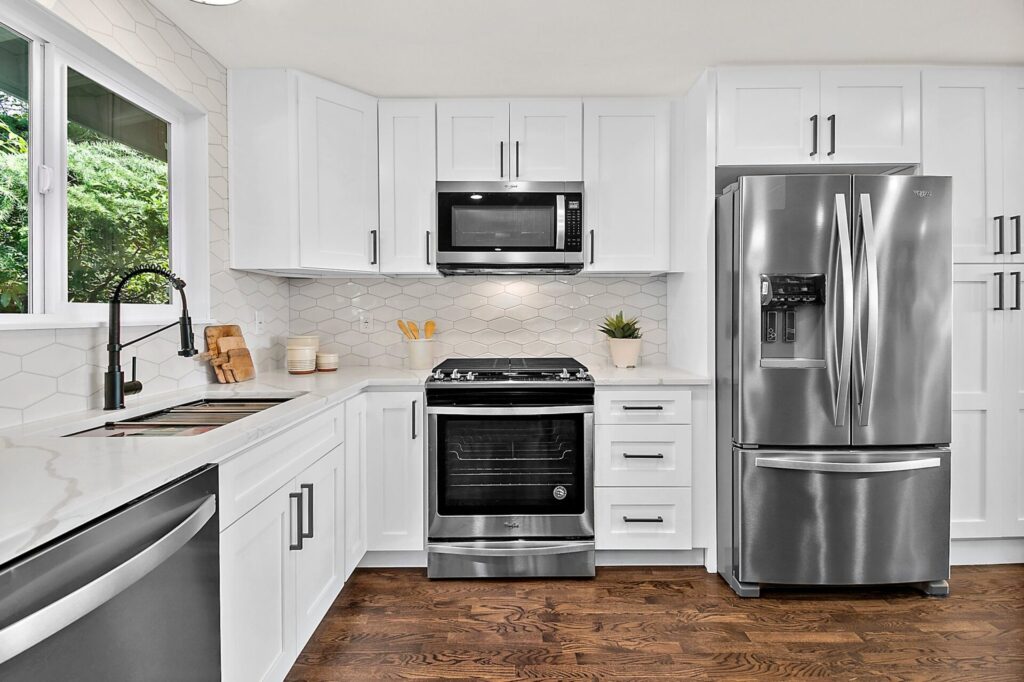
The situation: Cabinets are oak from the early 2000s. Counters are builder-grade laminate. The layout itself is decent – the fridge, sink, and range work well together, and you have enough storage. It just looks tired.
Our call: Renovation. Reface the cabinet boxes with new doors and drawer fronts, install quartz counters, add a new backsplash, update the hardware, and swap the faucet and pendant lights. You keep the layout that already works and avoid permits entirely.
Ballpark investment: $25,000–$45,000. Timeline: 2–3 weeks. Why this wins: You get a kitchen that looks brand-new for roughly one-third of what a full remodel would cost, and you’re back to cooking dinner at home in under a month.
Scenario 2: “We Have No Counter Space and Nowhere to Put Anything”
The situation: The kitchen was designed in an era when people didn’t own stand mixers, air fryers, and espresso machines. You’re storing small appliances in the dining room. There’s a wall between the kitchen and the next room that’s eating up the space you actually need.
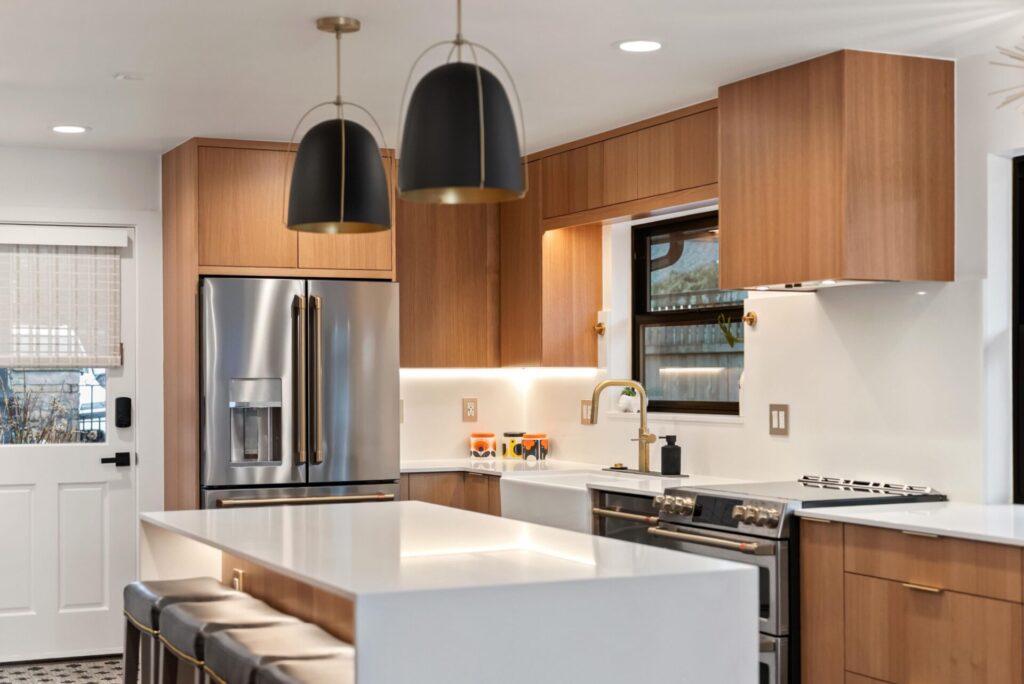
Our call: Remodel. Removing the wall (if it’s not load-bearing — or adding a beam if it is) gives you room for an island with seating, extra cabinetry, and finally a spot for the coffee setup. Custom cabinets built to the ceiling capture storage you’ve never had access to.
Ballpark investment: $65,000–$120,000. Timeline: 10–14 weeks. Why this wins: A renovation here would be throwing money at the symptom. The storage problem is a layout problem — no amount of new finishes fixes that.
Scenario 3: “We’re Listing the House Next Spring”
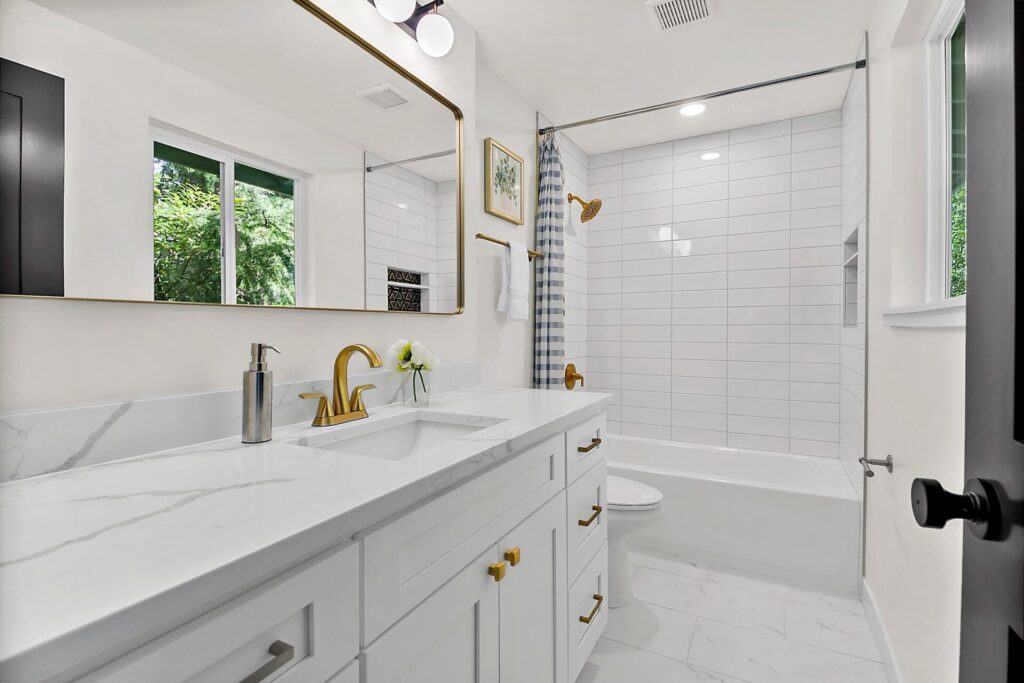
The situation: The bathroom is functional but the vanity is cracked, grout is stained, and the lighting is a single ceiling bulb. You want buyers to walk in and feel like they don’t have to touch anything.
Our call: Renovation, and stop there. New vanity, new mirror, new lighting, re-grout or re-tile the shower, fresh paint. Don’t move plumbing. Don’t touch the layout. Every dollar you spend past “looks clean and current” is a dollar you won’t get back at closing.
Ballpark investment: $12,000–$20,000. Timeline: 1–2 weeks. Why this wins: Pre-sale renovations are about removing reasons for a buyer to lowball you — not about creating a dream space you’ll never enjoy. Remodeling for resale is almost always a losing math problem.
Scenario 4: “This Is Our Forever Home and We Want It Right”
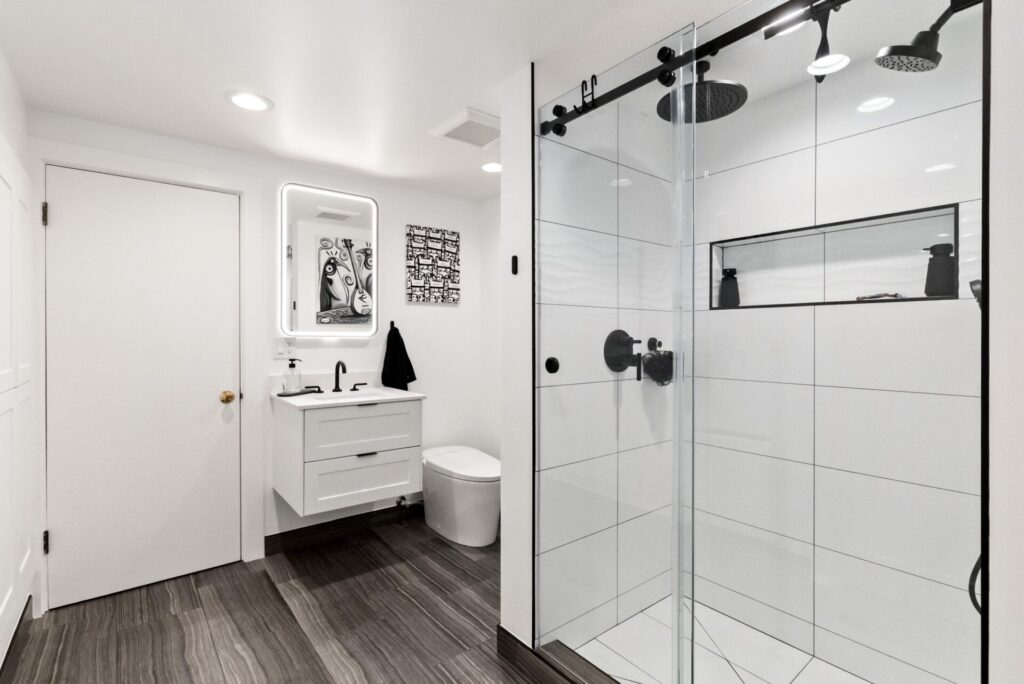
The situation: You’ve been in the house 6 years, planning to stay 20+ more. The primary bath is a cramped mid-90s layout with a bathtub nobody uses, a tiny shower nobody fits in, and a single-sink vanity that makes weekday mornings miserable.
Our call: Full remodel. Tear it down to studs. Pull the tub, reroute plumbing for a proper walk-in shower, add a double vanity with custom cabinetry, upgrade the electrical for better lighting, and rework the floor plan so it actually fits how two adults get ready in the morning.
Ballpark investment: $55,000–$110,000. Timeline: 8–12 weeks. Why this wins: You’re not optimizing for resale — you’re optimizing for the next two decades of your own life. That math works very differently.
Don’t See Your Situation Here?
Most projects are some blend of these four. The important move is being honest about which scenario you’re closest to — because the biggest budget mistakes happen when someone in Scenario 3 tries to build Scenario 4, or someone in Scenario 2 tries to solve it with a Scenario 1 renovation. If you’re not sure which one fits, that’s exactly what a consultation is for.
The Bottom Line
Renovations and remodels aren’t competing options – they’re different tools for different problems. A renovation is the right answer when the space works but looks tired. A remodel is the right answer when the space itself is the problem.
The biggest mistake homeowners make is over-investing in a remodel when a renovation would’ve delivered the same satisfaction for half the cost — or under-investing in a renovation when the real issue is a layout that will never work no matter how nice the paint color is.
Ready to Start Planning Your Project?
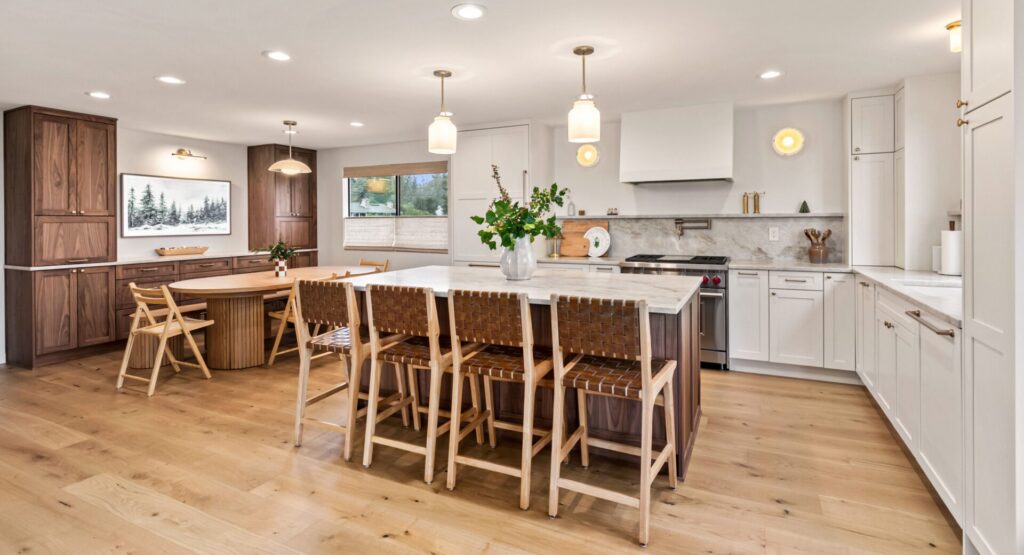
At Cabinets Core, we help homeowners figure out the right scope before a single tool comes out of the truck. Whether your project calls for a clean renovation with new cabinetry and countertops or a full remodel that reshapes the room, our team walks you through the design, the materials, and the budget with straight answers – not sales pressure.
We specialize in kitchen and bath projects where cabinetry is the centerpiece, and we handle design, selection, and installation in-house so the details stay consistent from concept to final reveal. Every project starts with understanding how you actually use your space, what’s working, what isn’t, and what’s worth investing in.
Schedule a consultation with Cabinets Core to get a clear plan, a realistic budget, and a team that treats your home like it matters. Because it does.